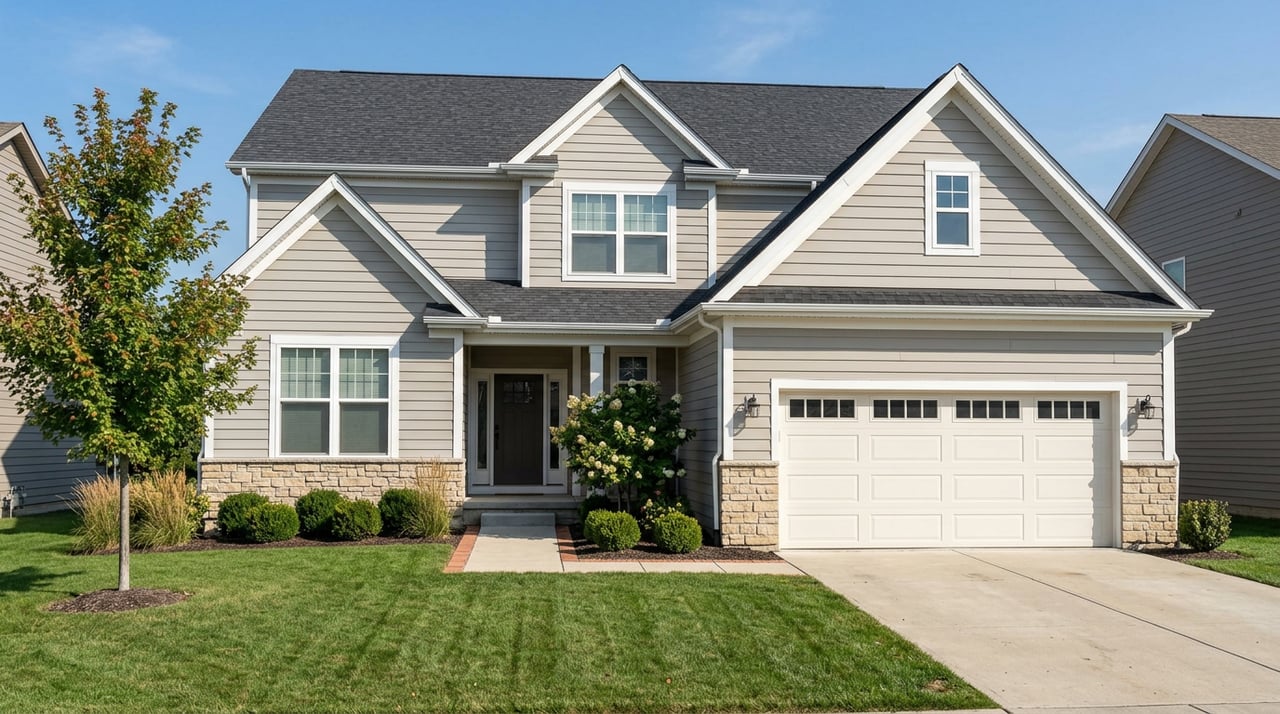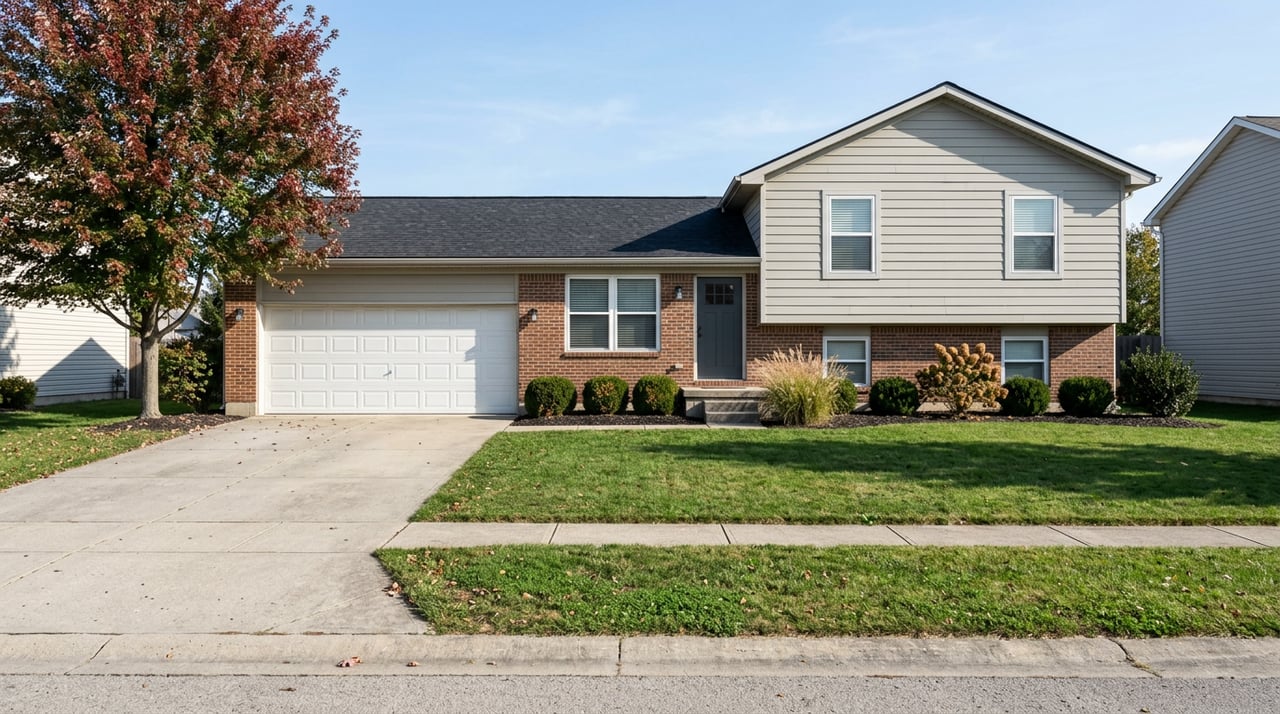
Wondering whether a fixer-upper or a move-in ready home makes more sense in Penn Hills? You are not alone. In a market where prices can still feel approachable but repair costs, permits, and inspections matter, the right choice often comes down to your budget, timeline, and tolerance for surprises. This guide will help you weigh both options with Penn Hills-specific facts so you can move forward with more confidence. Let’s dive in.
Penn Hills Market Snapshot
Penn Hills sits about 9 miles east of Pittsburgh, and according to the Allegheny County municipal profile, its landscape includes hills and floodplains along five streams. That matters when you are evaluating any home, because drainage, grading, and basement moisture can be bigger issues here than in flatter areas.
As of early 2026, Penn Hills looks more balanced than extreme. Realtor.com market data shows a median listing price of $191,500, 159 homes for sale, and a median 64 days on market. The same source classifies Penn Hills as a balanced market, which means you may have room to compare condition, price, and repair burden instead of rushing into a decision.
The local housing stock also shapes the conversation. Penn Hills reports 20,335 total housing units, with 85.5% single-unit homes and 73.3% owner-occupied units in its FY 2025-2029 Consolidated Plan. In plain terms, you are mostly shopping among detached homes, many in established areas where condition can vary a lot from one property to the next.
Why a Fixer-Upper Can Work
A fixer-upper can make sense in Penn Hills if your goal is to get more house for the money and you are prepared for the extra steps that come with repairs. In a market with prices in the high $100,000s, the savings may not always be dramatic, but the opportunity to improve condition over time can still be attractive.
Penn Hills also has an active rehab and anti-blight pipeline. The municipality’s Consolidated Plan notes that some areas have older housing and relatively low property values, which can make development more affordable than in nearby areas. That can create opportunities for buyers who are comfortable taking on updates.
There is also evidence of real local support for rehab work. The 2025 action plan includes funding for Single Family Rehab, Senior Aid Rehab, and a Homebuyer Assistance Program, while the plan states that eligible low- and moderate-income homeowners may qualify for Single Family Rehab loans up to $15,000 at 0% interest. The municipality’s FY 2024 CAPER report shows that owner-occupied units were rehabilitated and vacant structures were demolished, which tells you that value-add opportunities do exist, even if quality can differ sharply by block.
The Real Costs of a Fixer-Upper
The biggest mistake buyers make with fixer-uppers is focusing only on the purchase price. In Penn Hills, your total cost picture should also include taxes, sewer fees, repairs, permit costs, inspection timing, and the possibility of reinspection.
According to the Allegheny County profile, 2025 local taxes on a property assessed at $100,000 total $4,497.05, and Penn Hills residents also pay a separate sewer usage fee based on water use. If you are stretching to buy and renovate at the same time, those ongoing costs matter.
You also need to budget for the kind of repairs that actually affect closing and occupancy. In Penn Hills, issues like smoke detectors, handrails, broken window glass, garage fire separation, roof defects, GFCIs, and moisture problems can show up on the local occupancy punch list. A home may look livable on the surface and still need work on basic code items before transfer.
Penn Hills Permits and Occupancy Rules
This is where Penn Hills becomes very different from a simple cosmetic-update story. The municipality’s Code Enforcement Department requires an occupancy permit for every change of ownership, occupancy, or tenancy, and the current owner must obtain it before transfer. The inspection fee is $75, and the municipality recommends applying early to allow time for corrections and reinspection.
That means a fixer-upper purchase is not just about what you want to remodel after closing. It is also about what has to be corrected before the transfer can be completed. The local occupancy permit punch list includes safety and weatherproofing items that can affect both timing and cost.
Penn Hills also requires permits for a range of common projects, including roofs, fences, solar panels, water and wastewater lines, poured concrete for driveways and sidewalks, generators, pools, and covered patios or larger accessory buildings. On top of that, Allegheny County permit guidance reinforces that building, demolition, and occupancy permits are reviewed through the county and filed in the municipality where the work is done.
Financing Options for Renovation
If you like the idea of a fixer-upper but do not want to pay for repairs entirely out of pocket, renovation financing may help. The HUD 203(k) program allows a Limited 203(k) for up to $75,000 in repairs, while a Standard 203(k) covers larger rehab projects with at least $5,000 in eligible work.
Fannie Mae’s HomeStyle Renovation mortgage can also bundle repair costs into a purchase or refinance loan. According to Fannie Mae, in some cases it may allow down payments as low as 3% and can cover materials, permits, or design fees up front, as long as the improvements are permanently attached and comply with state and local code requirements.
Local assistance may also be part of the picture. Penn Hills’ action plan includes funding for homebuyer assistance, and the same public notice references Allegheny County’s 1st Home Allegheny program, which offers eligible first-time buyers either $10,000 or $45,000 depending on household income. If you are trying to balance down payment needs with renovation costs, those programs are worth exploring early.
Why Move-In Ready Can Be Smarter
A move-in ready home usually costs more upfront, but it can buy you predictability. In Penn Hills, that matters because occupancy approval is part of the transfer process, and local repair items are often more about safety, moisture, and code basics than cosmetic flaws.
If you need to move quickly, want a more stable monthly budget, or do not want to spend weekends coordinating contractors, move-in ready may be the better fit. You may pay more on day one, but you are less likely to get pulled into surprise repairs, permit delays, or reinspection issues.
This option can also make sense if you are a first-time buyer. When you are already learning the mortgage, inspection, insurance, and closing process, adding a rehab timeline on top can create stress. A cleaner transition can be worth the premium.
Penn Hills Questions Every Buyer Should Ask
Whether you buy a fixer-upper or a move-in ready home, Penn Hills has some local due diligence points you should not skip. The area’s hills, floodplains, and local occupancy requirements make these questions especially important.
Ask About Water and Drainage
Because Penn Hills includes hilly terrain and floodplains, you should ask about:
- Grading around the house
- Downspout placement
- Sump pumps
- Basement moisture or waterproofing history
- Past sewer or drainage repairs
These are not minor details. They can affect long-term maintenance, comfort, and repair costs.
Ask About Occupancy Compliance
Before you get too attached to a property, ask:
- Will the home pass the occupancy permit inspection as-is?
- Which items still need correction before transfer?
- Is there any sign that a dye test, sewer repair, or water-intrusion fix may be needed?
The Penn Hills occupancy checklist is a very practical guide for this conversation.
Ask About Past Work and Permits
If the property has had updates, ask:
- Were roofs, fences, concrete work, generators, or additions completed with permits?
- Were contractors properly registered with Penn Hills?
- Is there documentation for completed work?
These questions can help you avoid inheriting permit or compliance problems after closing.
Fixer-Upper vs Move-In Ready at a Glance
| Option | Best for | Main upside | Main tradeoff |
|---|---|---|---|
| Fixer-upper | Buyers comfortable with repairs and extra planning | Potential to improve value over time | More uncertainty with permits, inspections, and costs |
| Move-in ready | Buyers who want speed and predictability | Easier transition and fewer immediate projects | Higher upfront cost |
Which Option Fits You Best?
A fixer-upper in Penn Hills may fit you if you have cash reserves, patience, and a realistic repair plan. It can also make sense if you are comfortable navigating permits, contractor schedules, and the chance that code-related items need to be fixed before transfer.
A move-in ready home may fit you better if you value a smoother closing, a more predictable budget, and fewer post-closing surprises. That is often the better path if your timeline is tight or you simply want to settle in without a renovation learning curve.
The good news is that Penn Hills offers both paths. The key is not choosing the cheaper-looking option. It is choosing the home type that fits your finances, your timeline, and your comfort with repair risk.
If you want help sorting through Penn Hills homes with a practical eye for condition, permits, and value, Pam Potts can help you compare your options and move forward with a plan that fits your goals.
FAQs
Is a fixer-upper in Penn Hills always the cheaper option?
- Not always. The lower purchase price can be offset by repairs, permits, taxes, sewer costs, and occupancy-related corrections.
What is the Penn Hills occupancy permit requirement for home sales?
- Penn Hills requires an occupancy permit for every change of ownership, and the current owner must obtain it before transfer.
What Penn Hills home issues should buyers watch most closely?
- Buyers should pay close attention to drainage, grading, basement moisture, sewer-related concerns, and basic code items listed on the local occupancy punch list.
Are there renovation loan options for Penn Hills fixer-uppers?
- Yes. HUD 203(k) loans and Fannie Mae HomeStyle Renovation loans are two options mentioned in the research, and local homebuyer assistance may also be available for eligible buyers.
When does a move-in ready home make more sense in Penn Hills?
- A move-in ready home often makes more sense when you want a faster, more predictable move and do not want to manage repairs, permits, or reinspection issues right away.